HR RACI Matrix
- Use when
- Every manager's people problem lands on your desk
- Output
- A who-owns-what matrix across HR, managers, employees, payroll, legal and leaders, “manager first” rules, an escalation line, and a must-do list leadership signs
· 8 min read · 32 skills, free
First the HR desk: who owns what, the calendar, the compliance register, the audit, the dashboard. Then the work that hurts most — a complaint, the route, the investigation, the findings of fact. Then discipline, leave, pay bands, the handbook, and how people stay, leave and join.
01What these skills are
This is AI in HR that stops at the judgement call. HR automation takes the paperwork — the procedure, the letters, the case log — and a named person makes every decision about someone.
The pack follows the HR week in eight parts, from running the desk to the way people join.
The red line: Claude writes the process, never the verdict. It never screens, ranks, scores or reads people, a named person decides and signs every decision about someone, and every legal point goes to a qualified adviser for the country it concerns.
Each skill produces one artifact you can use the same day, and points to the skill to run next. It works from what you paste, with no connector to install.
Each skill asks where the person works before it drafts, because the law differs by country, state and province. Nothing profiles or tracks an individual.
One zip: ready-to-install skill zips, readable SKILL.md files, and the evidence notes behind every method. Free, no signup. The same 32 skills live in our open repo, if you would rather read them before you install them.
Install in Claude Code
Two lines, and every skill in the pack loads at once.
/plugin marketplace add polar-bear-org/claude-skills
/plugin install ai-for-hr-pack@polar-bear-skills
Using Claude on the web instead? Download the zip above and upload each skill from its install folder under Customize → Skills.
02The catalog
The set follows the HR week, in eight parts: running the desk, complaints and investigations, performance and discipline, leave and absence, pay and levels, policies and the handbook, how people stay and leave, and how they join.
03How to use it
No fixed order. Bring one real thing from the desk and open the skill that matches what hurts this week.
Every manager's people problem lands on your desk.
A complaint has come in and you need to choose the route.
The route is an investigation, and a named person needs the facts.
A performance or conduct issue needs a fair, written process.
You bought pay data and have no levels to compare it against.
A policy nobody can administer, and staff with questions.
04Setup guide
In Claude Code · two lines
/plugin marketplace add polar-bear-org/claude-skills
/plugin install ai-for-hr-pack@polar-bear-skills
In Claude.ai or Claude Desktop · seven clicks
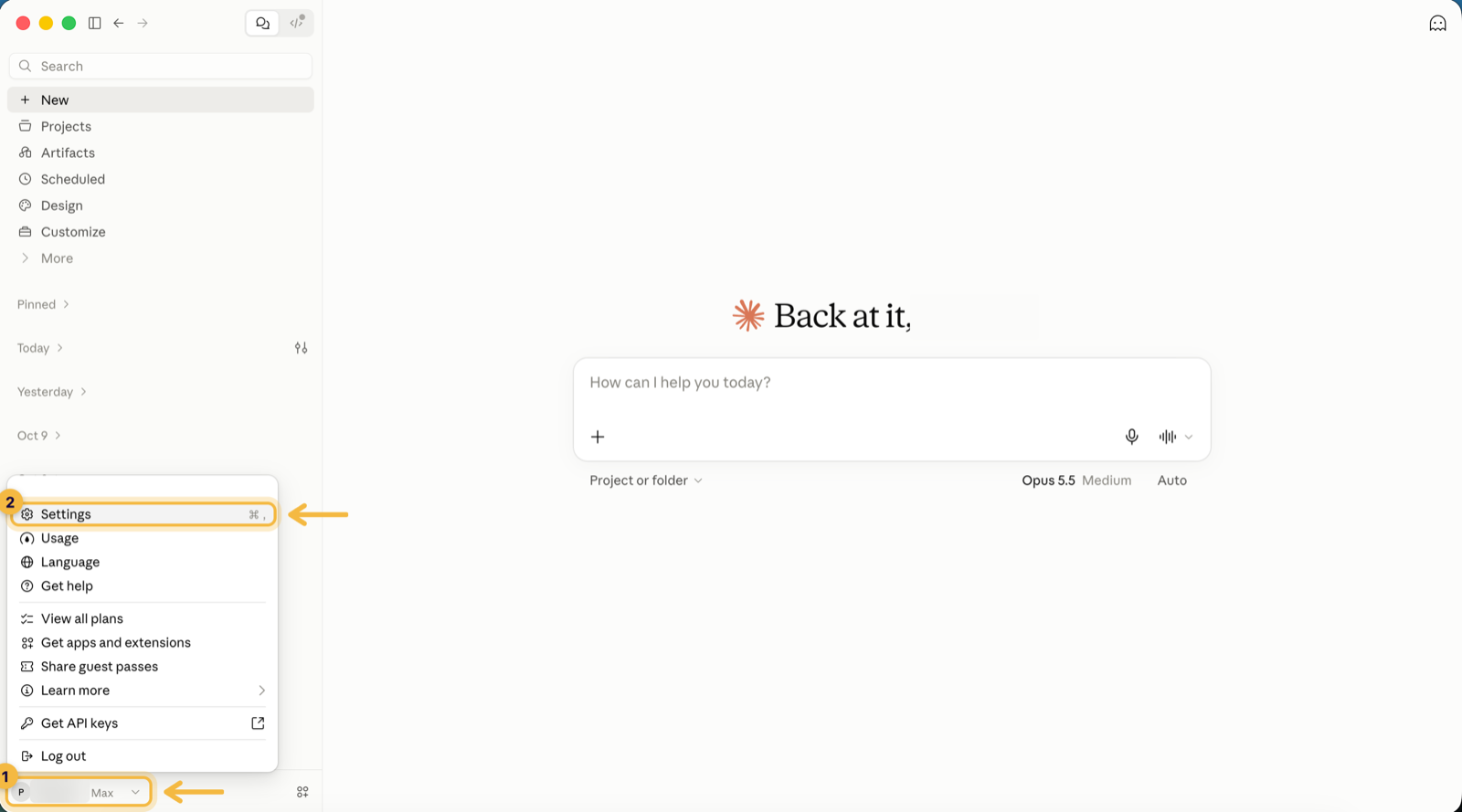
Unzip the pack: its skills folder holds all 32 skills. In Claude, click your name at the bottom left, then Settings.
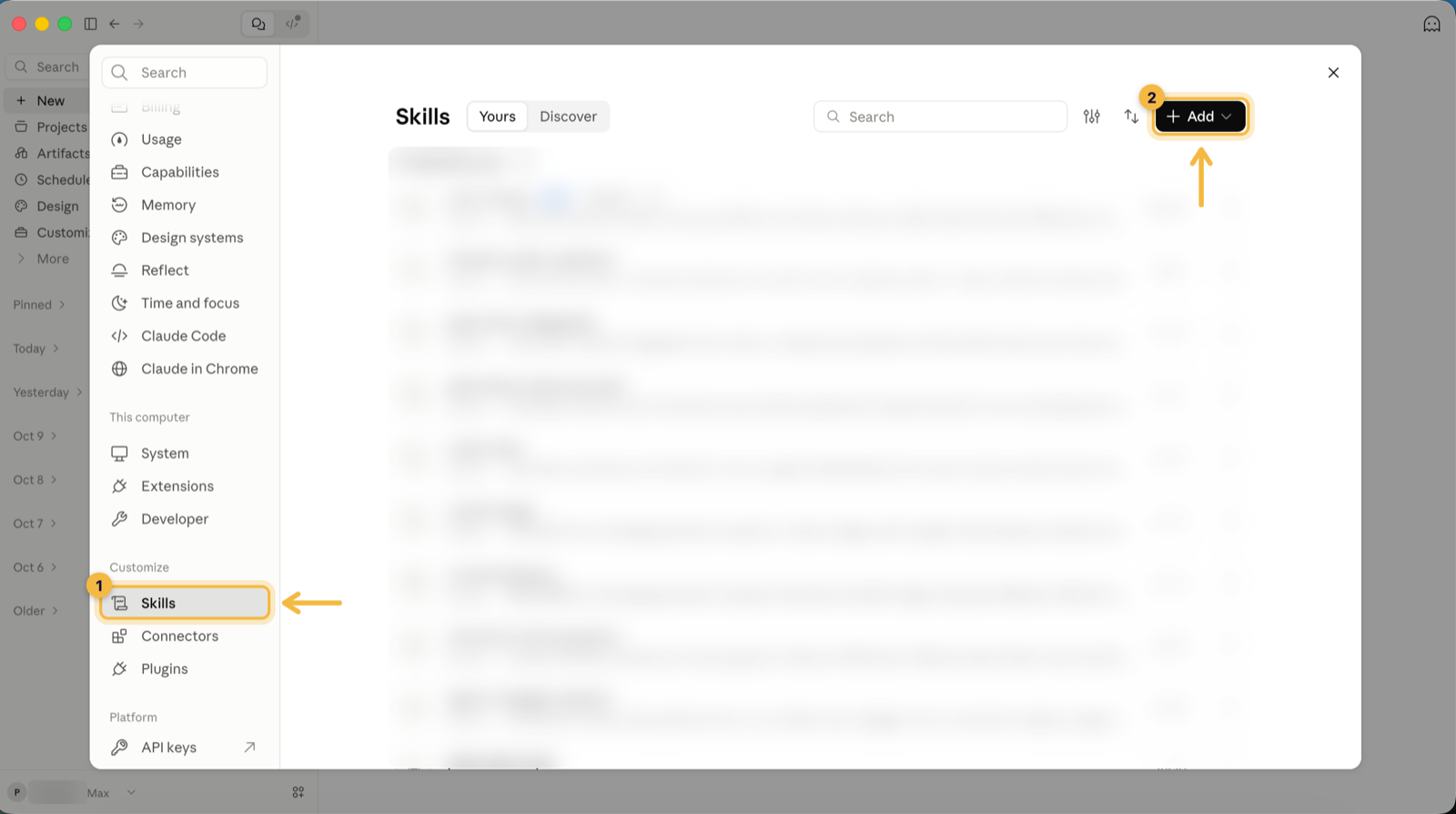
Under Customize, choose Skills. Click Add, then Upload a skill.
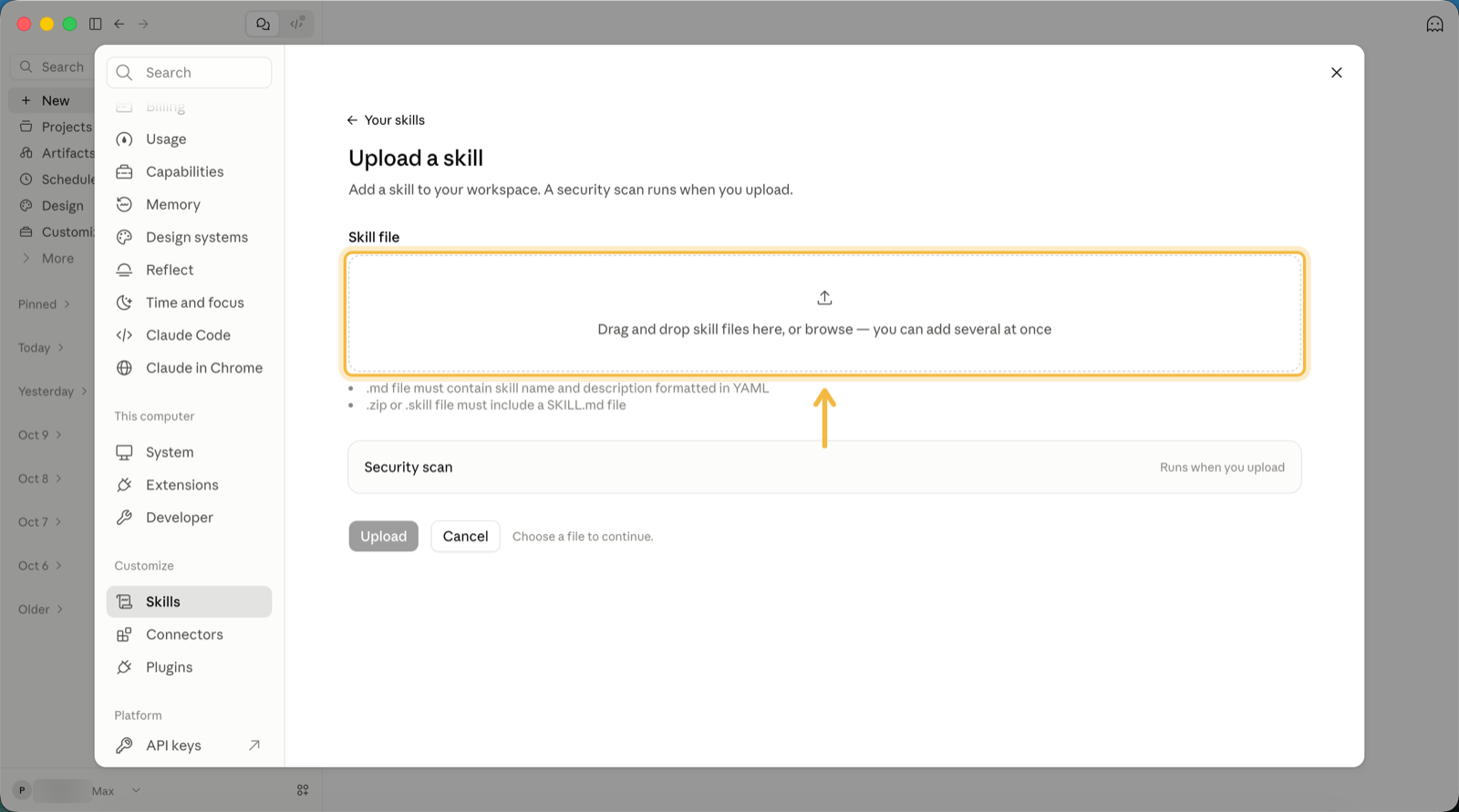
Drag the skill's file into the box, or click to browse. You can add several at once.
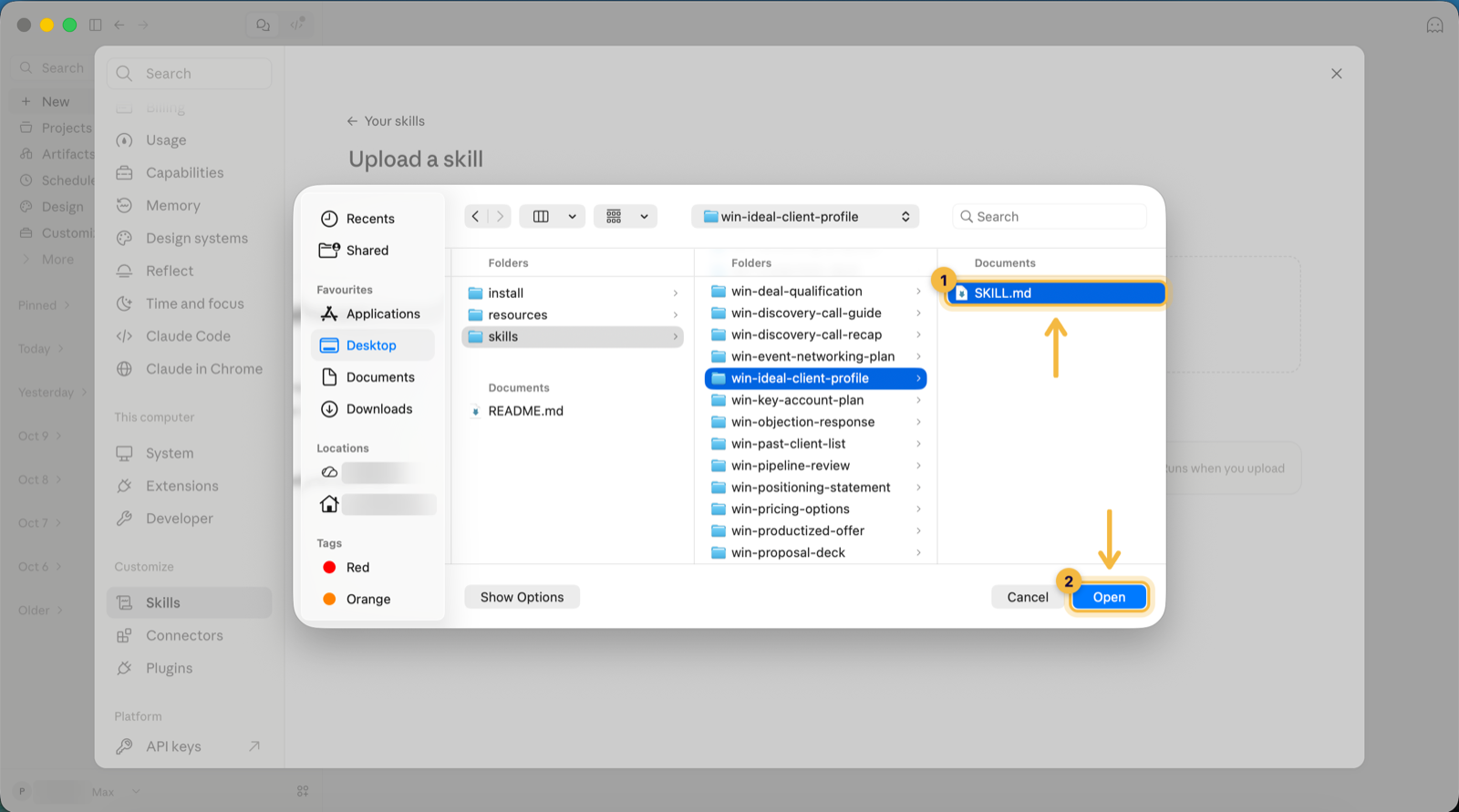
In the pack folder, open skills, then the skill you want, and select its SKILL.md — hr-complaint-intake is a good first one.
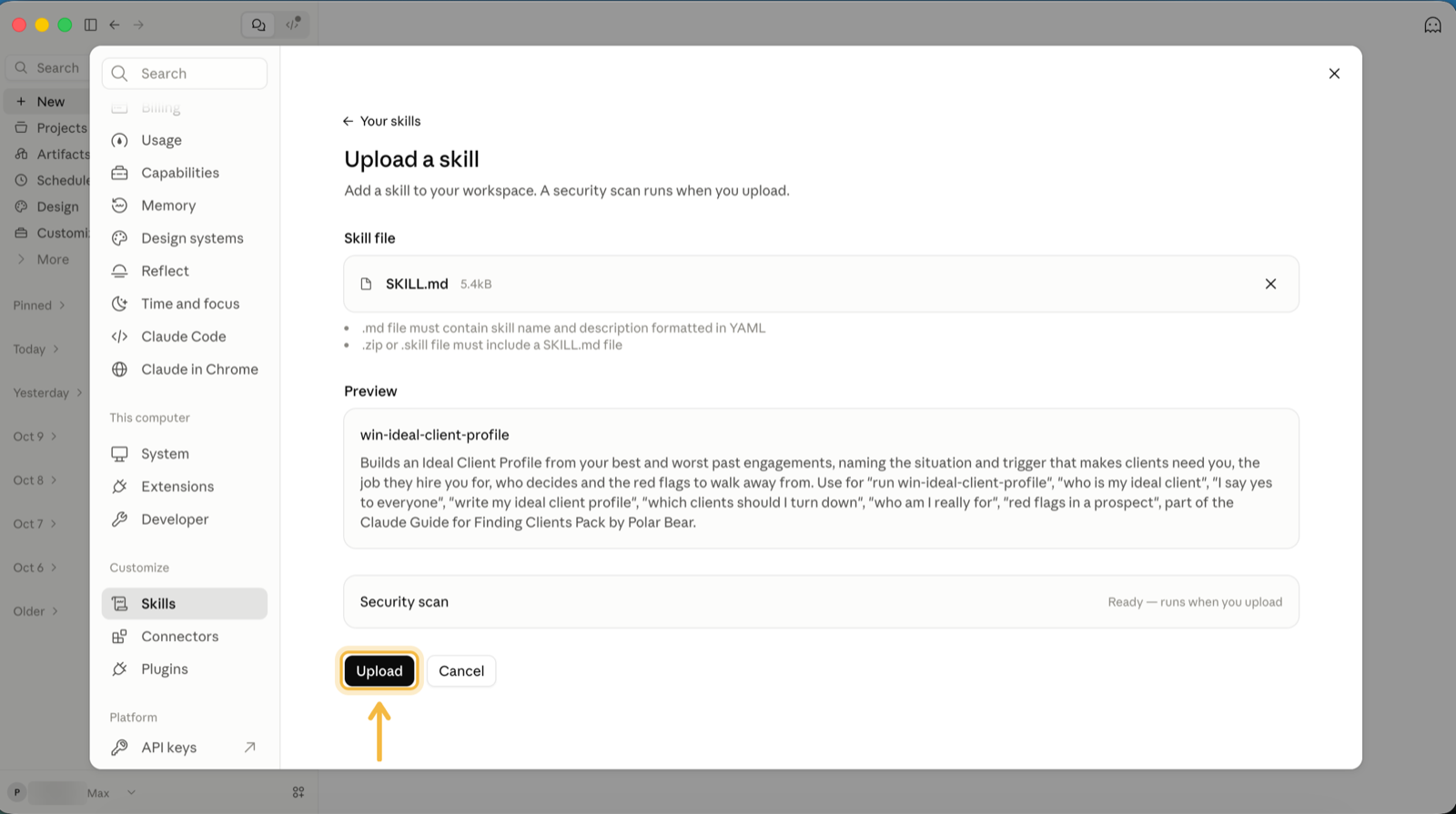
Claude shows the skill's name and what it does. Click Upload.
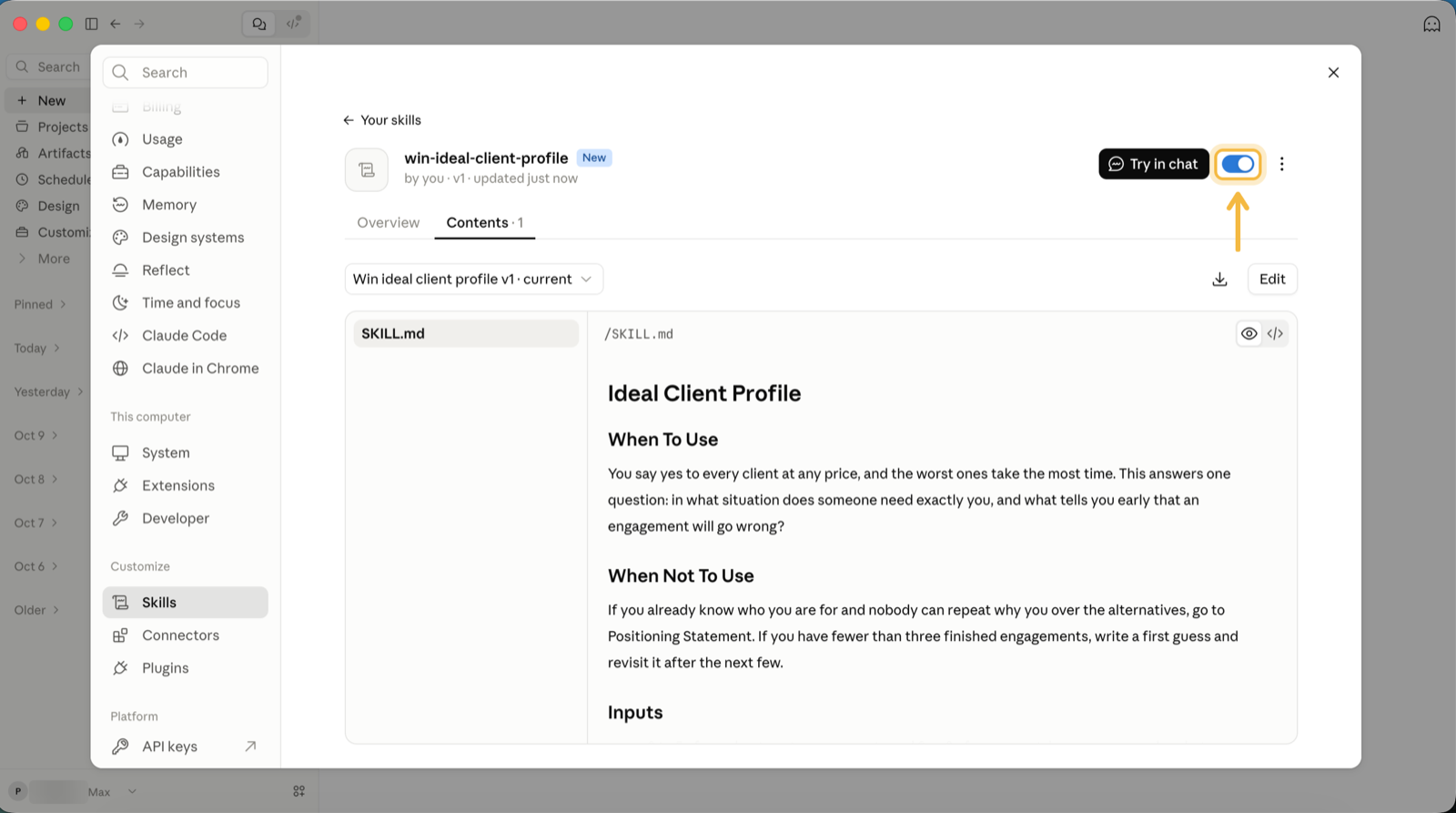
The skill opens on its own page. Its toggle should be on.
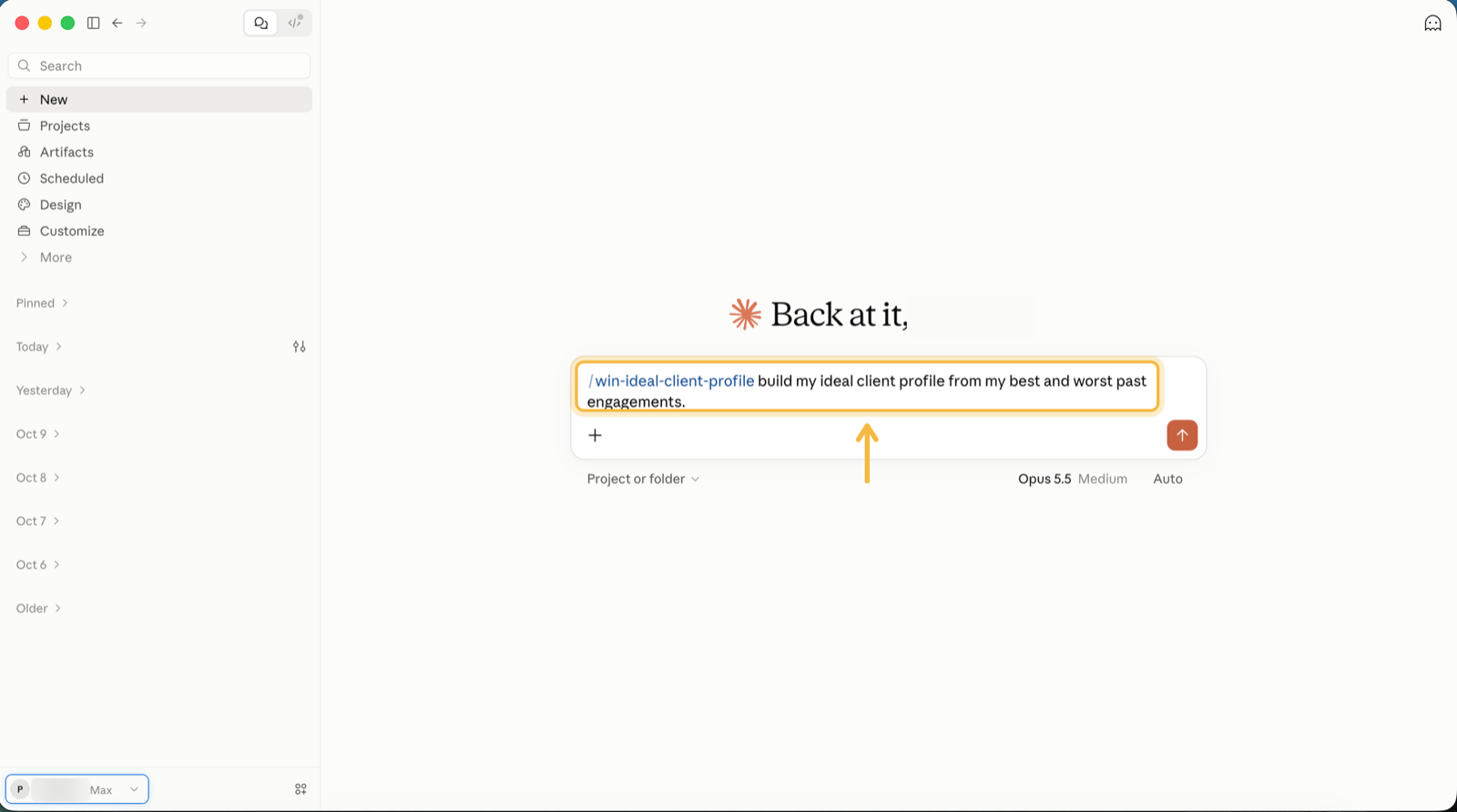
Type / and the skill's name, then say what you need.
Then try one
Run hr-complaint-intake on this note from a first meeting: [paste the anonymised note here]
Run hr-salary-bands. Our levels and market data: [paste them here]
Run hr-policy for [topic]. The policy we have today: [paste it here]
Say where the person works, because every legal point depends on it, and keep names and personal data out: anonymise the case first.


Lantern for HR
Turn your people work into posts candidates and employees read
Lantern drafts a week of posts from your notes and call transcripts, in your voice. You review them and publish the ones you like.
100 free credits, about ten posts. No card needed.
Try for free05Quick reference
| Your situation | Skill to run |
|---|---|
| Every manager's people problem lands on your desk | HR RACI Matrix |
| You inherited months of no HR and files in random folders | HR Audit |
| Someone raises a concern and you must choose what happens next | Employee Relations Intake |
| Complaints go nowhere because nobody knows the steps | Grievance Procedure |
| Your first serious investigation lands | Workplace Investigation Plan |
| Interviews are done and the write-up must not decide the outcome | Investigation Report Template |
| Everyone says nobody comes back from a PIP | Performance Improvement Plan (PIP) |
| A disciplinary meeting went wrong on paperwork | Disciplinary Procedure |
| Someone senior wants to refuse an accommodation without the conversation | Reasonable Accommodation Process |
| A rehire gets offered above the top of the band | Salary Bands |
| A leaked offer shows two people on very different pay | Pay Equity Audit |
| A fifth of your week goes to questions the handbook answers | HR Policy FAQ |
06Standards
Every skill in the pack holds the same standard, the one we hold when we run HR ourselves:
07FAQ
32 Claude skills that follow the HR week in eight parts: the HR desk, complaints and investigations, performance and discipline, leave and absence, pay and levels, policies and the handbook, stay and leave, and join. Each skill produces one artifact you can use the same day.
In Claude Code, two lines install all 32 at once. In Claude.ai or Claude Desktop, download the zip, open Settings, Skills, Add, and upload the skills you want. Either way it takes about five minutes.
No. The skills work in Claude.ai, Claude Desktop and Claude Code. In the app you upload them yourself; in Claude Code one command installs the whole pack.
They are built as Claude Skills, and installing them is a Claude feature. Each one is a plain Markdown file, so you can read it and reuse the method elsewhere, but it will not load and trigger by itself outside Claude.
No. Claude writes the process, never the verdict. It never screens, ranks, scores or reads people. A named person decides and signs every decision about someone, and every legal point goes to a qualified adviser for the country it concerns.
Yes. It is free to use inside your company and in client work, and not for resale. There is no signup: the download and the install command are on this page.
08Who made this
These skills were written by Polar Bear, a people ops consultancy that runs its own company on Claude. The pack is free, and the same skills are open on GitHub.
Lantern is Polar Bear's content workspace. It turns your notes, documents and call transcripts into drafts for LinkedIn and other networks. You review them and publish the ones you like.