32 Claude Skills for Product Strategy, From the Diagnosis to the Roadmap
Frame the strategic question and read the product's real state. Choose between options that differ in kind, then write the bets and the list of what you will not do. Turn the choice into a roadmap, a signed strategy and a quarterly review.
01What these skills are
One product strategy cycle, from the diagnosis to the quarterly review, as installable Claude skills
This pack is for product managers and product leaders who own a strategy or a roadmap, and for founders and fractional product people who write one for a client.
The skills follow one strategy cycle in the order you do it, in eight stages, from the strategic question and the product's real state to the roadmap, the signed strategy and the quarterly review.
The red line: Claude structures the thinking and drafts the documents. The strategy is a set of choices a named person makes and can defend, built on what real customers did, and every figure names its source or is marked as an assumption.
Customer claims are tied to an interview or to data, or they are marked assumed. No market number, baseline, cost or forecast comes from memory, and estimates are ranges.
Each skill holds one method or one artifact, with the inputs it needs, where it breaks, a fixed output template, a finish line and the skill to run after it.
Download all 32 skills
One zip: ready-to-install skill zips, readable SKILL.md files, and the sources behind every method. Free, no signup. The same 32 skills live in our open repo, if you would rather read them before you install them.
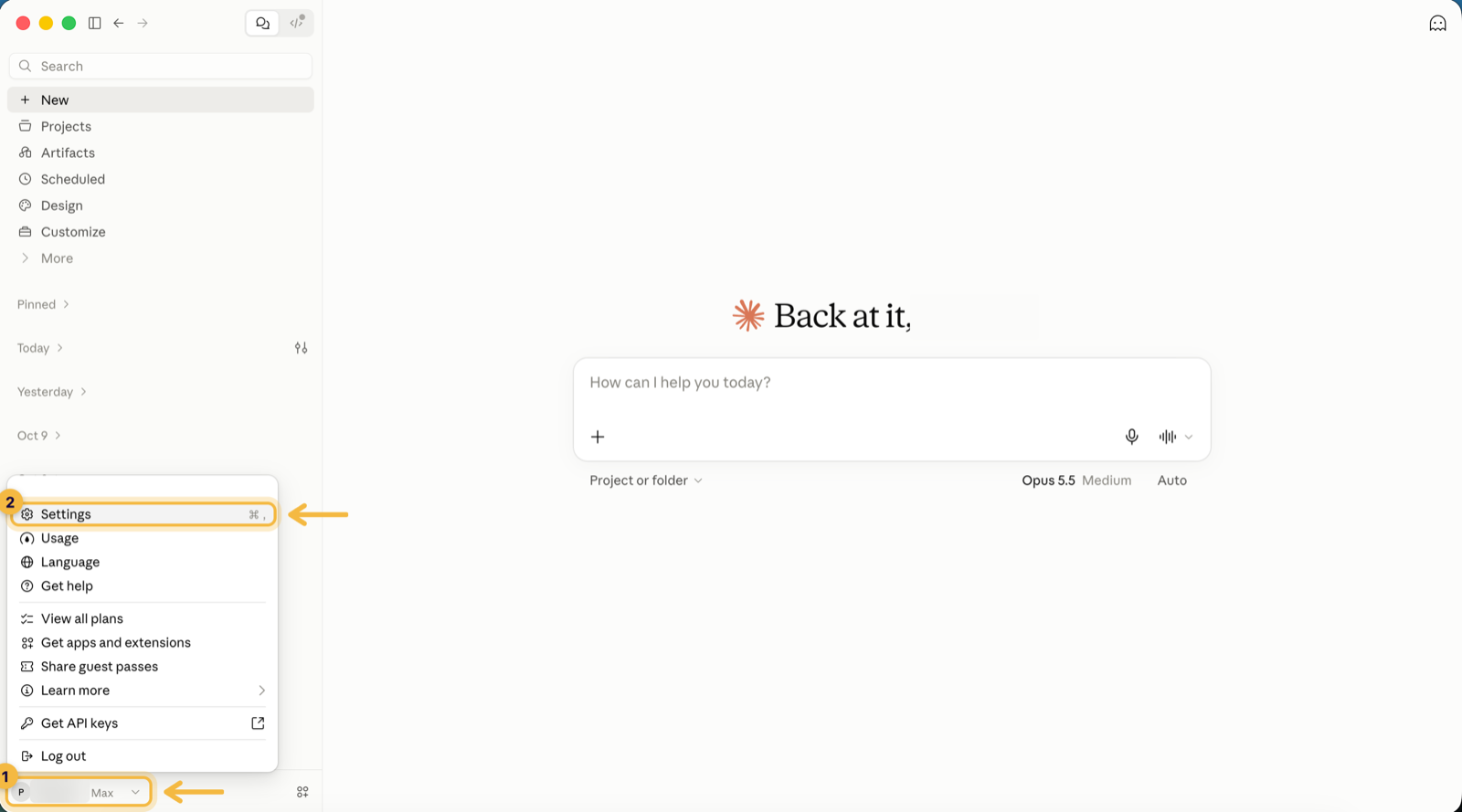
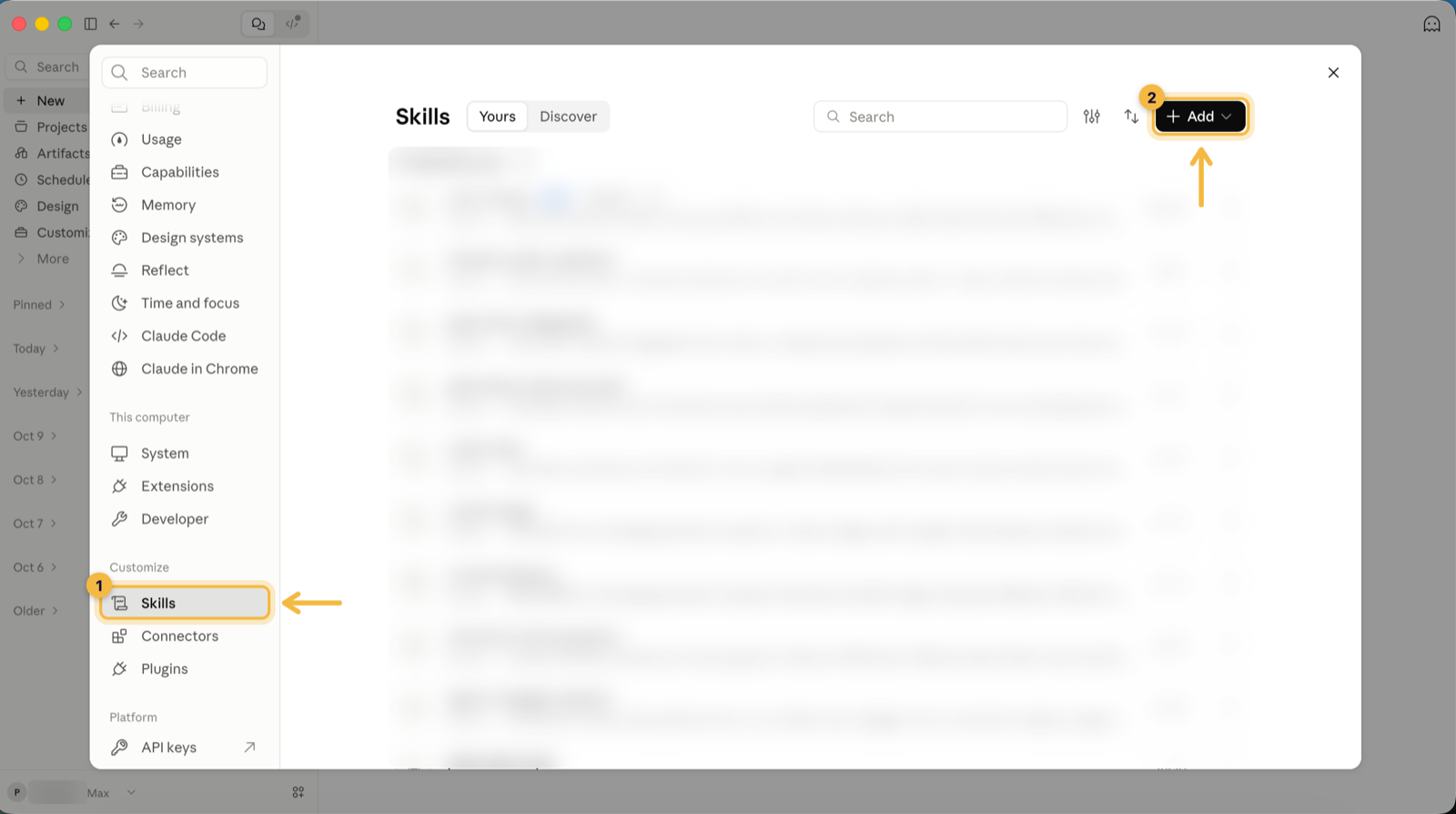
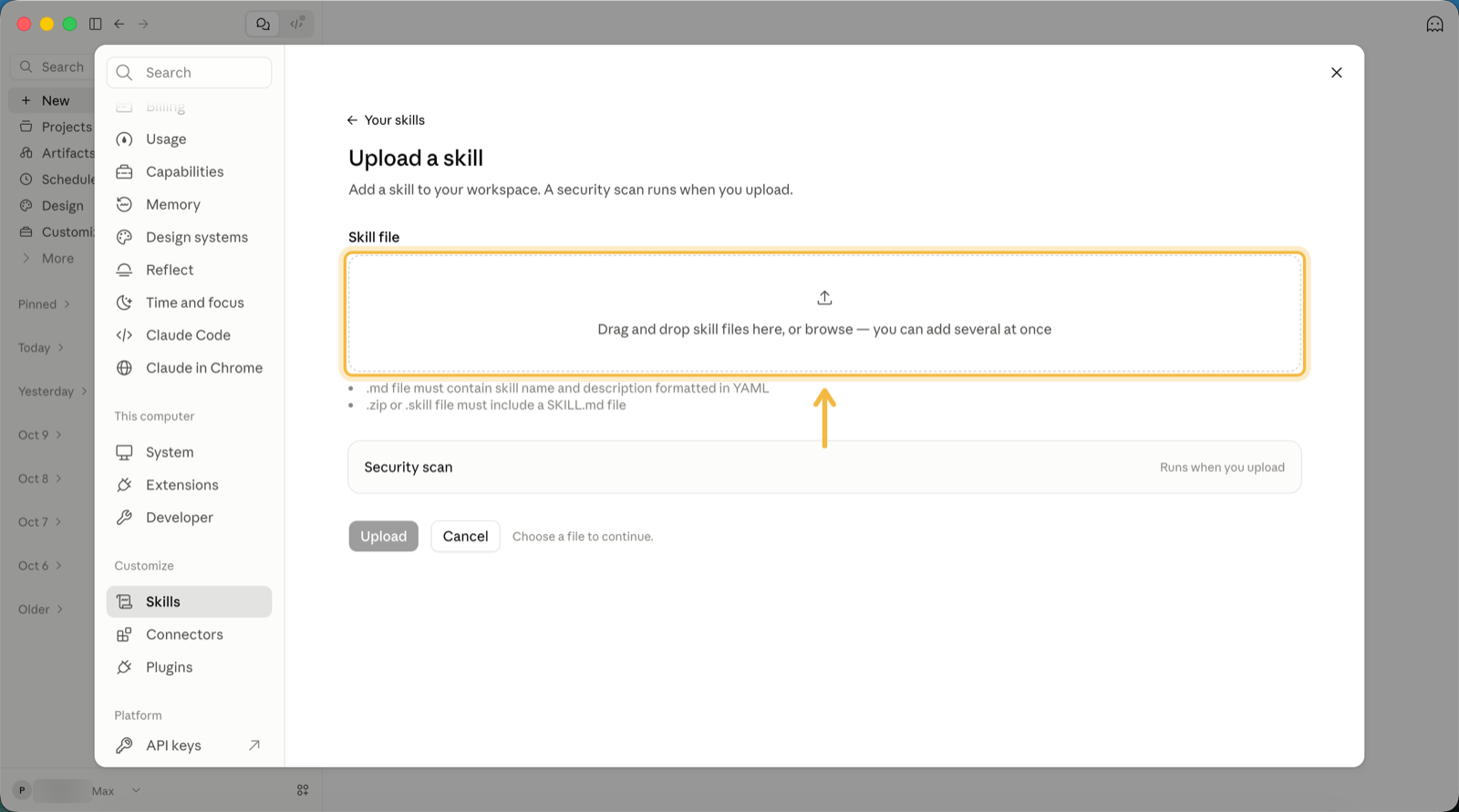
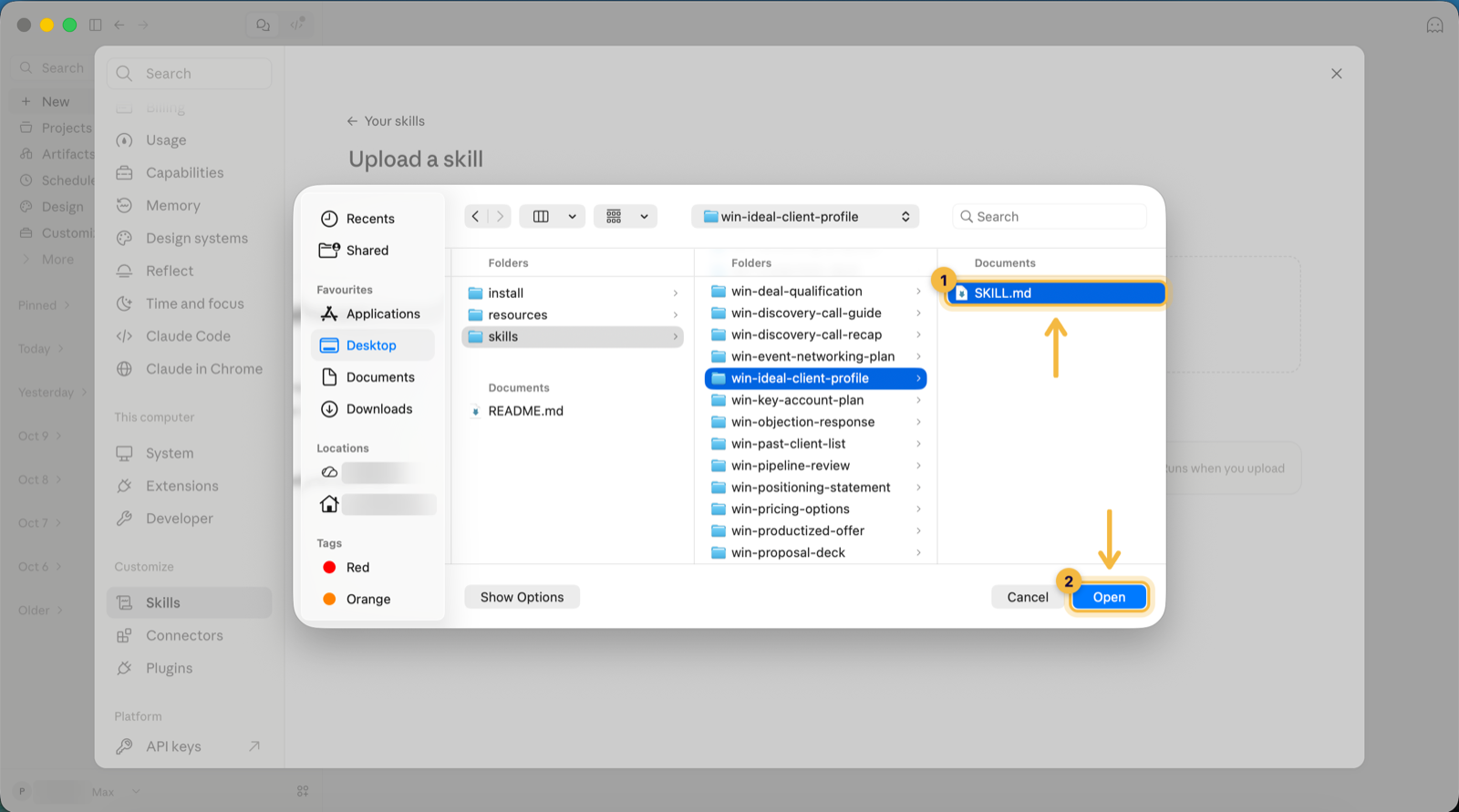
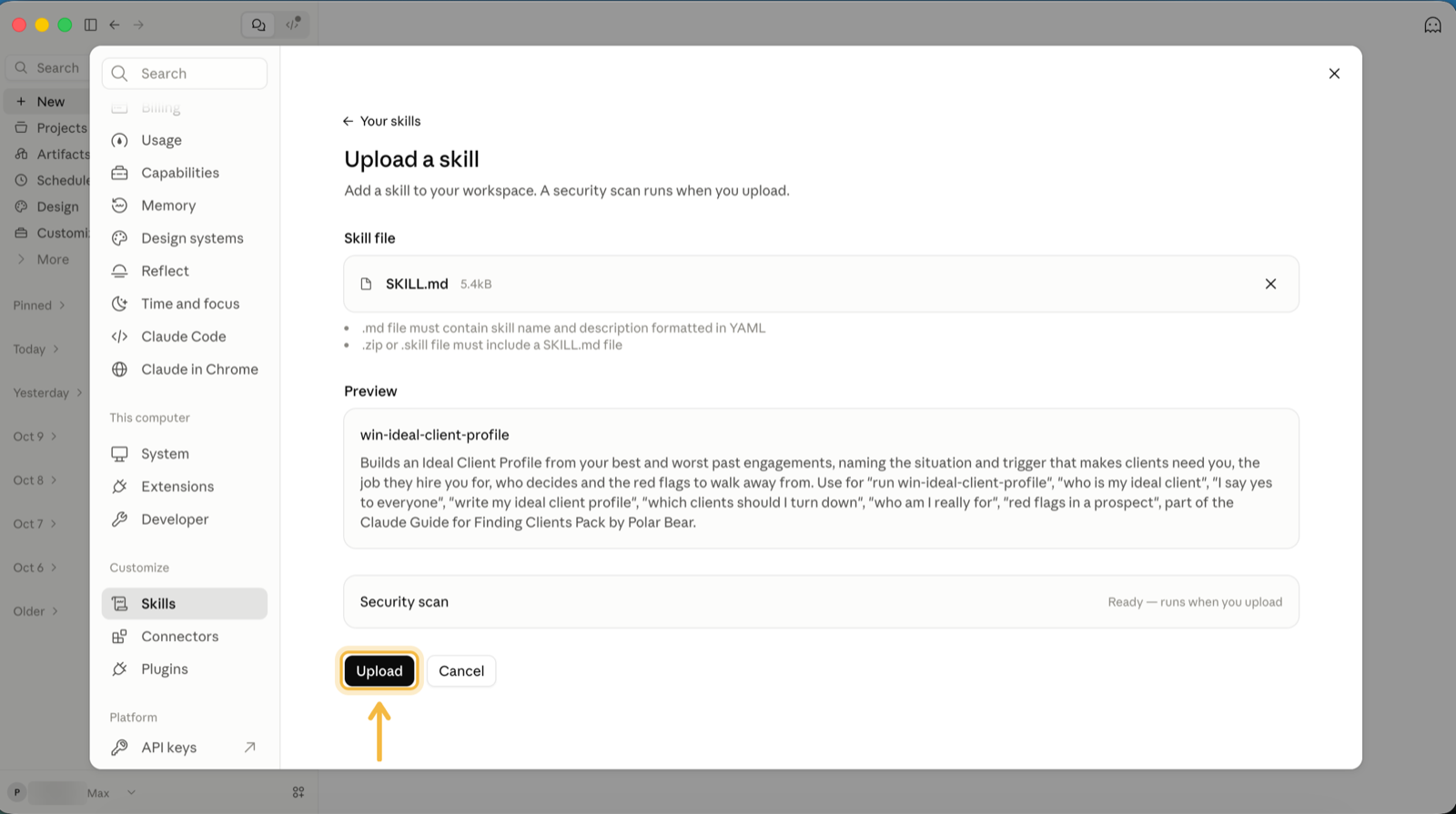
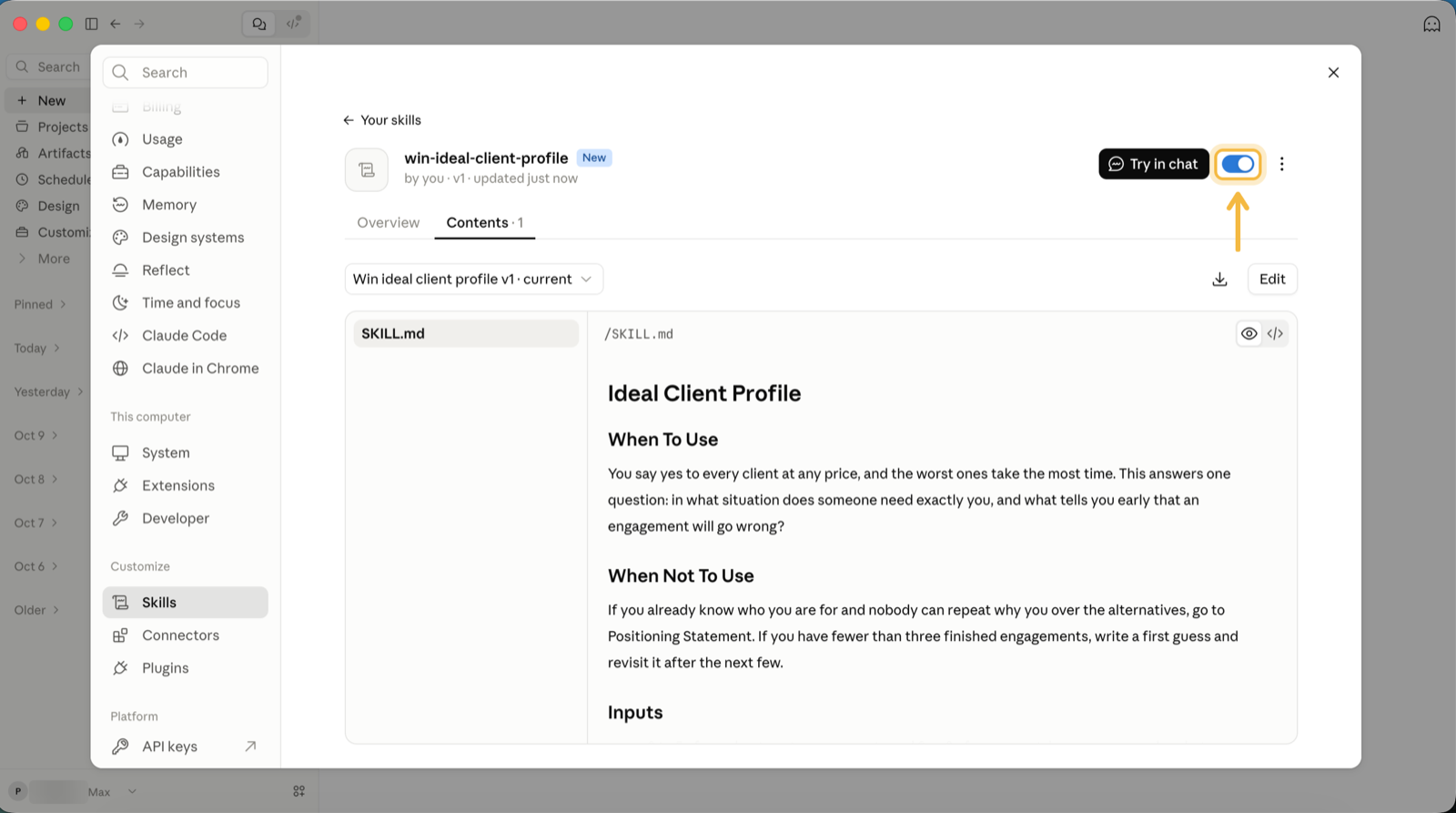
Using Claude on the web instead? Download the zip above and upload each skill from its install folder under Customize → Skills.
02The catalog
The 32 skills you get
The set follows one strategy cycle in eight stages: diagnosing, reading the market and the customer, choosing, stress-testing the choice, putting numbers on it, turning it into a roadmap, telling it, and reviewing it each quarter.
1 · Diagnose
1
Strategic Question Frame
Use when
A leader asks for "a strategy for X" and nobody in the room knows which decision is due
Output
The one strategic question, the decision it feeds with its owner and date, horizon, scope in, out and taken as given, one alternative framing
2
Product Health Read
Use when
Planning starts from last quarter's deck and nobody has checked what is true today
Output
Four lenses (usage, quality, revenue signals, feedback), a source and date range per line, tracking changes flagged, what the data cannot tell
3
Issue Tree
Use when
The question is big and the team argues about which part to look at first
Output
The root question word for word, sub-questions split by one logic per level, overlap and coverage checks, the data that answers each leaf
4
Hypothesis Board
Use when
Everyone "knows" why the number fell and the team has collected data for weeks without a point
Output
One hypothesis per branch that could be false, kill criteria written before any test, an importance by evidence map, the cheapest test for the top three
2 · Market and customer
5
Competitive Analysis
Use when
"The competitor has it" is setting the roadmap
Output
Landscape by the customer's job with workarounds and doing nothing as rows, a source and read date per cell, win and loss themes from buyers, where we differ, what not to copy
6
Needs-Based Segmentation
Use when
"Our users" means four groups and the strategy tries to serve all of them
Output
Job statements with circumstance and trigger, the current alternative, a size signal from aggregate data, the segment the strategy serves first and the ones it does not
7
Opportunity Solution Tree
Use when
The strategy's customer claims rest on what the team believes, not on what customers did
Output
One outcome, opportunities that each cite an interview, a target opportunity, three ideas with the riskiest assumption, the slots marked "needs an interview"
8
Market Sizing (TAM, SAM, SOM)
Use when
Leadership asks how big this is and the number must survive "where does that come from?"
Output
Top-down and bottom-up estimates as low, base and high, every input sourced or labelled assumption, the gap between methods, the share the plan needs
9
Lean Canvas
Use when
A new product or bet is moving from a conversation to a plan and every box is confident and unchecked
Output
One canvas per segment filled problem first, every entry marked tested or untested, the three riskiest untested assumptions with the cheapest test
3 · Choose
10
Product Vision Board
Use when
The choices have no destination, so every option looks equally reasonable
Output
Vision statement options with what each rules out, target group by need, needs marked confirmed or assumed, product, business goals
11
Strategic Options
Use when
The options on the table are the leader's idea in three sizes
Output
Three to five options that differ in kind, "do nothing" with the cost of waiting, the bet each makes, what each gives up, reversibility
12
Decision Matrix
Use when
The decision meeting goes to whoever argues loudest
Output
Criteria and weights dated before any score, pass or fail gates, a consequence table per option, scores with evidence, weight sensitivity
13
Strategic Bets
Use when
The strategy is chosen and nobody has written what would prove it wrong
Output
Three to five bets written as what would have to be true, the evidence today, the test or early signal, a kill criterion and date, an owner by role
14
Not-Doing List
Use when
The strategy was "agreed" and everything is still a priority
Output
"We will not" lines with the reason, what saying no costs and who hears it, the short answer to give, the condition that would reopen it
4 · Stress-test
15
Scenario Planning Model
Use when
One forecast line is in the plan and everyone knows it is wrong
Output
Base, upside and downside per option on two or three drivers, every value sourced or marked assumption, the assumption that flips the choice, early signals, as an editable spreadsheet
16
Red Team Review
Use when
The plan looks finished and nobody has argued with it yet
Output
The assumptions the plan cannot survive losing, the strongest case against, counter-evidence on file, three sceptic questions, a change-now list, accepted risks
17
Pre-Mortem Analysis
Use when
You are about to commit people and a quarter to the strategy
Output
Failure defined at a date, failure stories gathered independently and clustered, early signal, prevention, contingency with trigger, owner by role
18
Recommendation Memo
Use when
The options are scored and stress-tested, and the next meeting will reopen it all unless one page says what to do
Output
The call and the ask in the first line, three reasons tied to evidence, every rejected option with its fair case, risks, a one-minute answer to "why not the other option?"
5 · Numbers
19
Business Case
Use when
Finance wants a number and everyone knows the return is a guess
Output
One page in five parts, options including do nothing, an assumptions table with low, base, high, source and owner by role, what would change the answer
20
North Star Metric
Use when
The team ships a lot and cannot say which number the strategy is meant to move
Output
Candidates tested against customer value, strategy and leading the business result, the exact definition, three to five inputs, a counter-metric per input
21
Strategy KPIs
Use when
Six months in, nobody can say whether the strategy is working
Output
Per bet, the goal, signal and metric, leading and lagging indicators, baseline with source, a guardrail, the review date and the threshold to change course
6 · Roadmap
22
Impact Map
Use when
The roadmap is a feature list and nobody can say whose behaviour each item changes
Output
The goal with its measure, the actors, behaviour changes marked seen or assumed, every roadmap item under an impact or on a cut-or-justify list
23
Product Roadmap (Now, Next, Later)
Use when
Every date becomes a promise and the board reads the roadmap as a commitment
Output
Items as problems linked to a strategy action, ordered by cost of delay over duration, placed by horizon with confidence, dated commitments flagged, "not on the roadmap", a one-screen executive cut
24
Quarterly OKRs
Use when
The quarter's goals are a task list and the plan is filled to the brim
Output
One to three objectives tied to strategy actions, outcome key results with baseline, target and source, a capacity split, a stop list, grading of key results only
7 · Tell it
25
Product Strategy Document
Use when
Nothing is written down to say no against
Output
The argument leadership reads and signs, two pages at most: diagnosis with evidence, guiding policy and what it rules out, three to five coherent actions, "we will not" lines, the bets
26
One-Page Strategy
Use when
Leaders signed the strategy and teams still cannot repeat it or use it to turn down a request
Output
The signed strategy cut to one page for the teams who act on it, with no new content: what it means per team, a say-no test on three real requests, a repeat-from-memory test
27
Product Strategy Deck
Use when
Leadership wants "the strategy on slides" and the meeting has to end in a yes, an amendment or a no
Output
A ghost deck with action titles, presented in a room to win an endorsement: what is against what could be, the obstacle, the approach, the endorsement asked, a source on every claim slide
28
Roadmap Review Deck
Use when
The roadmap shown in March is quoted back in September as broken promises
Output
The ask first, shipped against said from the last review, the horizons by theme with confidence, the costed no list, the one decision needed
29
Board Memo
Use when
The chief executive needs the product section by Friday and the last one was a dashboard dump
Output
The product section in one or two pages read ahead: questions for the board first, progress against plan, the few metrics that matter with source, horizons with confidence, risks
8 · Review
30
Strategy Decision Record
Use when
Three months on, nobody remembers why this option won and the decision is argued again
Output
Status, owner and date, the choice in the owner's words, options rejected, evidence and assumptions known at the time, dissent, review date and reopening triggers
31
Quarterly Strategy Review
Use when
Nobody can say whether the strategy is working, so direction changes with the loudest result
Output
Expected against happened, each bet read as holding, weakening or broken against its kill criterion, the cause, a keep, adjust or stop proposal per bet
32
Strategy Change Note
Use when
The strategy shifts and teams learn it from a reshuffled roadmap
Output
What changed and what did not, the evidence and the bet that broke, what stops and starts per team, the effect on the roadmap and on dated commitments
03How to use it
Pick the workflow that matches your week
Start with the strategic question frame: it says which decision the strategy is for. After that, bring the one real thing in front of you.
Diagnose first
A leader asks for a strategy and nobody knows which decision is due.
One method per skill: one method or one artifact per skill, with a fixed output template, so the output has the same shape every time
Real customers are not optional: customer claims are tied to an interview or to data, or they are marked assumed, with the conversations still to have
No figure from memory: no market number, baseline, cost or forecast comes from memory. Every figure names its source or carries the word assumption, and estimates are ranges
Options are scored, people are not: options are scored and key results are graded. People, teams and sponsors never are
Written before the results: kill criteria, criteria weights and review dates are written before the results arrive
Adviser points are flagged: tax, accounting, contract, disclosure and board-duty points are flagged “check with a qualified adviser”, never stated as advice
The red line: Claude structures the thinking and drafts the documents; the strategy is a set of choices a named person makes and can defend, built on what real customers did, and every figure names its source or is marked as an assumption
07FAQ
Questions people ask
What is in the Claude Guide for Product Strategy pack?
32 Claude skills that follow one product strategy cycle in eight stages: diagnose, market and customer, choose, stress-test, numbers, roadmap, tell it and review. Each skill holds one method or one artifact, with a fixed output template.
How do I install these Claude skills?
In Claude Code, two lines install all 32 at once. In Claude.ai or Claude Desktop, download the zip, open Settings, Skills, Add, and upload the skills you want. Either way it takes about five minutes.
Do I need Claude Code to use them?
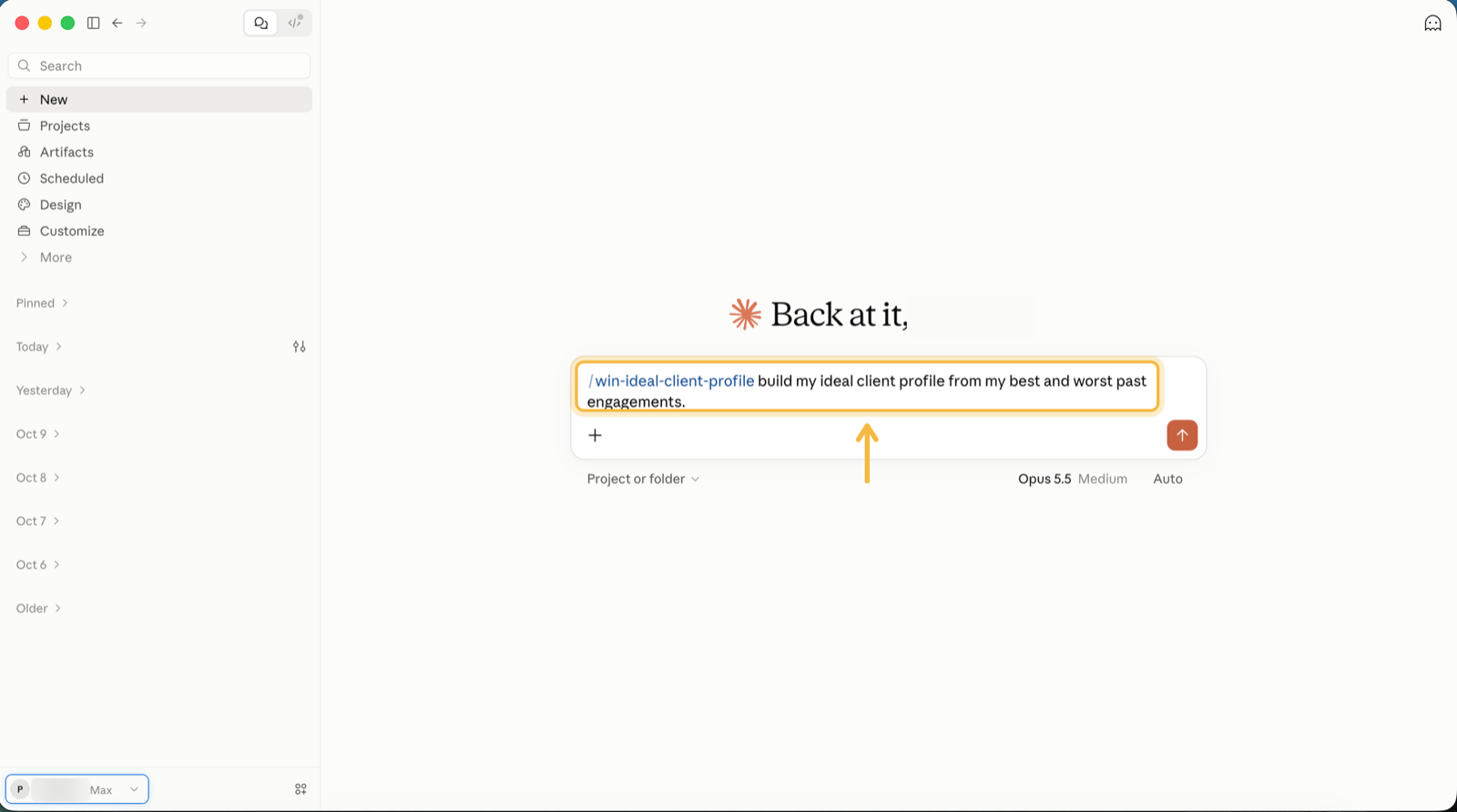
No. The skills work in Claude.ai, Claude Desktop and Claude Code. In the app you upload them yourself; in Claude Code one command installs the whole pack.
Do the skills work with ChatGPT or other assistants?
They are built as Claude Skills, and installing them is a Claude feature. Each one is a plain Markdown file, so you can read it and reuse the method elsewhere, but it will not load and trigger by itself outside Claude.
Will Claude choose the strategy for me?
No. Claude structures the thinking and drafts the documents. The strategy is a set of choices a named person makes and can defend, built on what real customers did, and every figure names its source or is marked as an assumption.
Is the pack free?
Yes. It is free to use inside your company and in client work, and not for resale. There is no signup: the download and the install command are on this page.
08Who made this
Lantern, by Polar Bear
These skills were written by Polar Bear, a people ops consultancy that runs its own company on Claude. The pack is free, and the same skills are open on GitHub.
Lantern is Polar Bear's content workspace. It turns your notes, documents and call transcripts into drafts for LinkedIn and other networks. You review them and publish the ones you like.